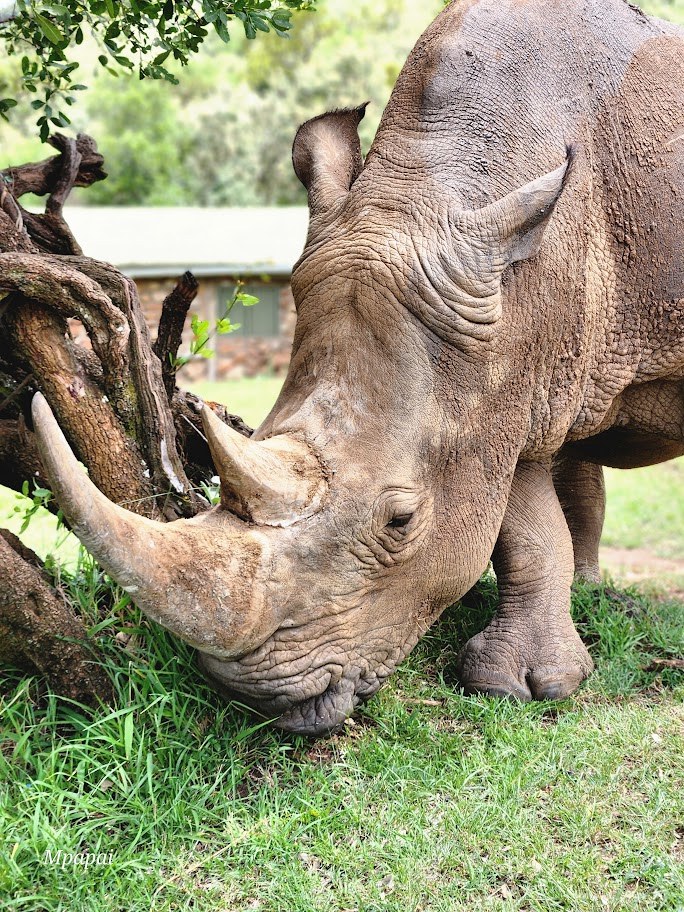
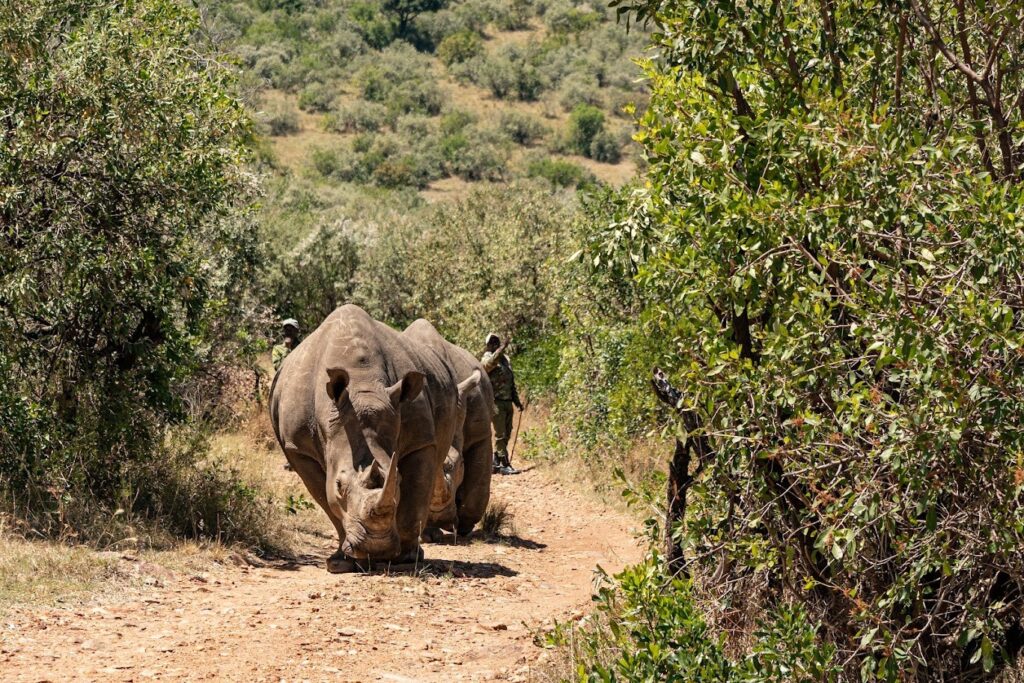
Black and white rhinos remain among the Mara’s most important wildlife species. Protecting them requires consistent monitoring, secure habitat, well-supported rangers, and strong collaboration with surrounding communities.
Effective protection depends on knowing what is happening across the landscape and being able to respond early.
01
High Conservation Priority
Rhino protection demands sustained attention, long-term planning, and coordinated field conservation.
02
Continuous Monitoring
Effective conservation depends on regular observation, ranger presence, tracking, and timely field information.
The Technological Edge
Smarter Monitoring. Stronger Protection.
Technology can strengthen field conservation by helping teams understand wildlife movement, monitor habitat conditions, and identify potential threats earlier.
01
Remote Monitoring
Exploring satellite imagery and location-based monitoring tools that can support a clearer understanding of rhino movement and habitat conditions.
02
Acoustic Detection
Evaluating non-invasive acoustic technologies that may help identify unusual activity and provide additional information to field teams.
03
Connected Field Response
Developing monitoring systems that can improve communication, situational awareness, and coordination between conservation teams in the field.
Technology for a Safer Tomorrow
Rhinos. People. Thriving Landscapes.
Field Protection
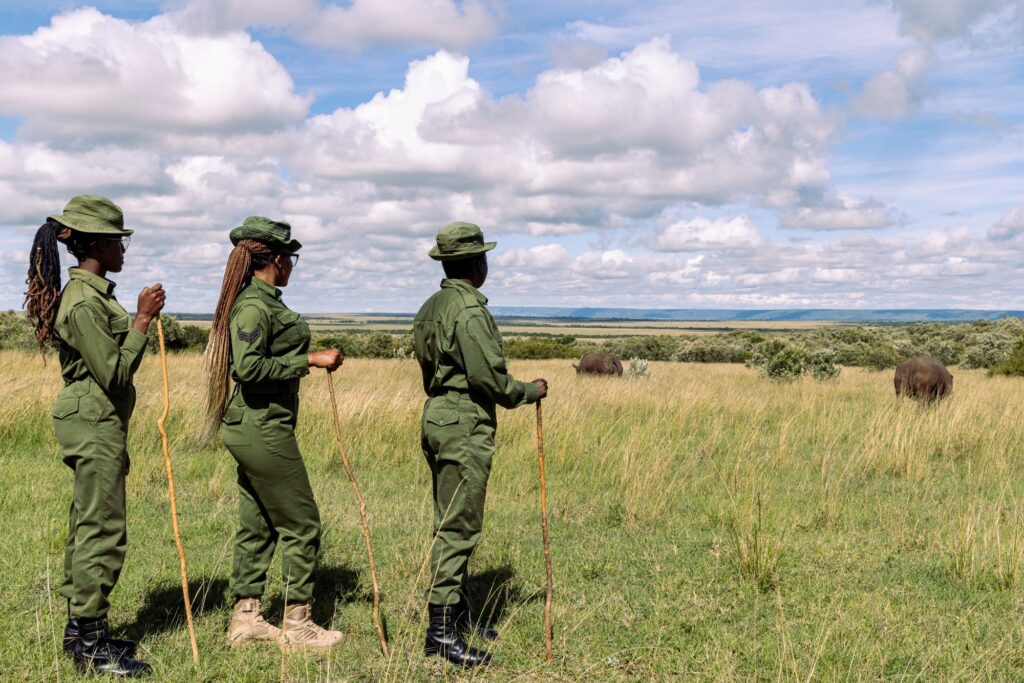
Ranger-Led Protection.
Supporting well-trained, well-equipped field teams with the monitoring, coordination, and resources needed to protect rhinos across the Mara landscape.
“Technology can strengthen protection, but effective conservation still depends on skilled people who understand the landscape.”
01
Strategic Patrols
Supporting coordinated ranger patrols informed by field observations, monitoring data, and changing conservation priorities.
02
Field Response
Strengthening communication, equipment, and operational readiness so ranger teams can respond effectively when intervention is needed.
Our rhino conservation strategy is divided into three critical phases of development.
Phase 01
Capacity Building
Ranger recruitment and basic field training.
Initial acoustic sensor pilot programme.
Community intelligence network setup.
Phase 02
Tech Integration
Satellite tracking implementation.
Advanced veterinary unit establishment.
Full-scale acoustic node coverage.
Phase 03
Long-Term Security
Habitat expansion for rhino dispersal.
Sustainable regional security corridor.
Self-sustaining monitoring systems.
Join the Mission
Be Part of the Story.
Whether you are an individual supporter, institutional donor, or corporate partner, your support can help strengthen rhino protection, empower local communities, and safeguard the Mara for generations to come.