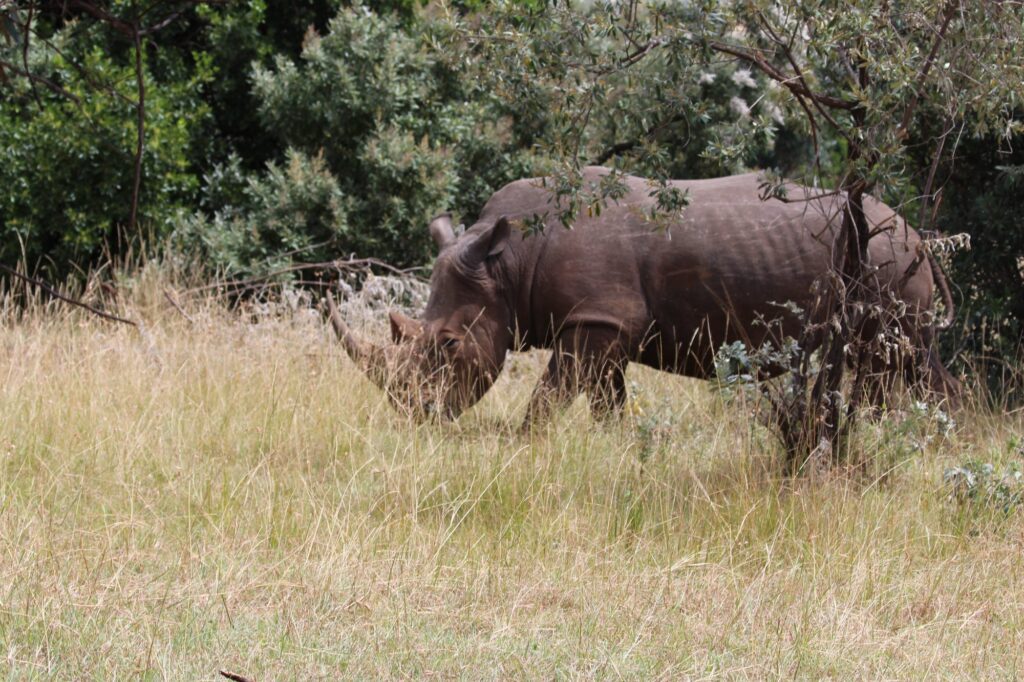
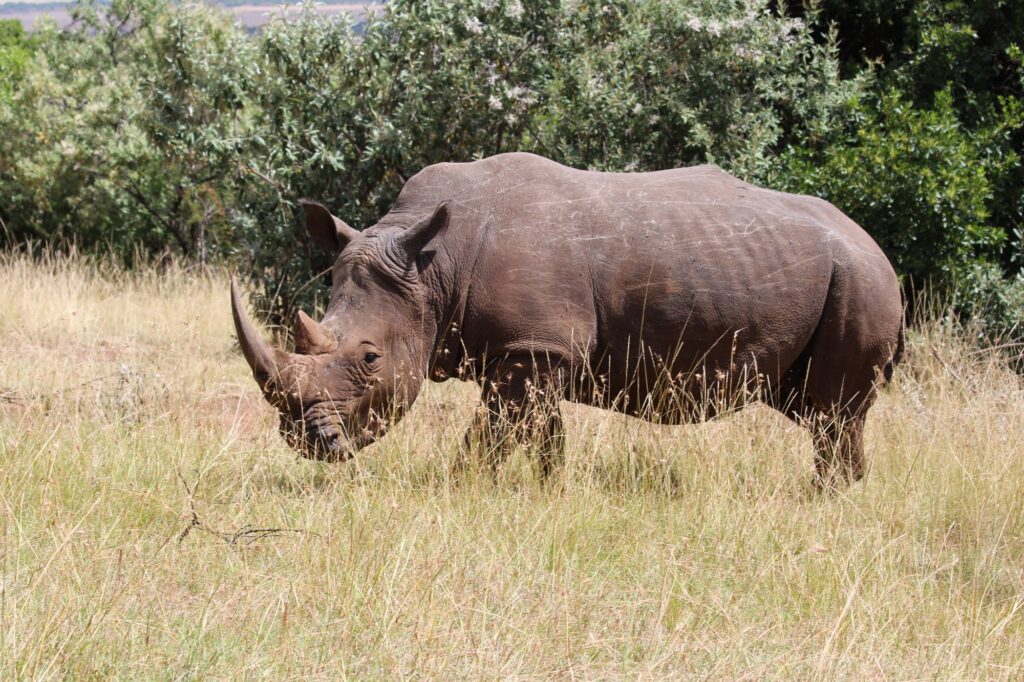
A savannah that holds its water holds its wildlife. Restoring the Mara’s indigenous cover is how we keep the rhino’s home standing in a warming century.
01
The Pressure
Land losing its cover.
Overgrazing, charcoal cutting and longer droughts strip the savannah of the grasses and woodland that hold soil and water in place.
02
Our Approach
Indigenous, community-grown.
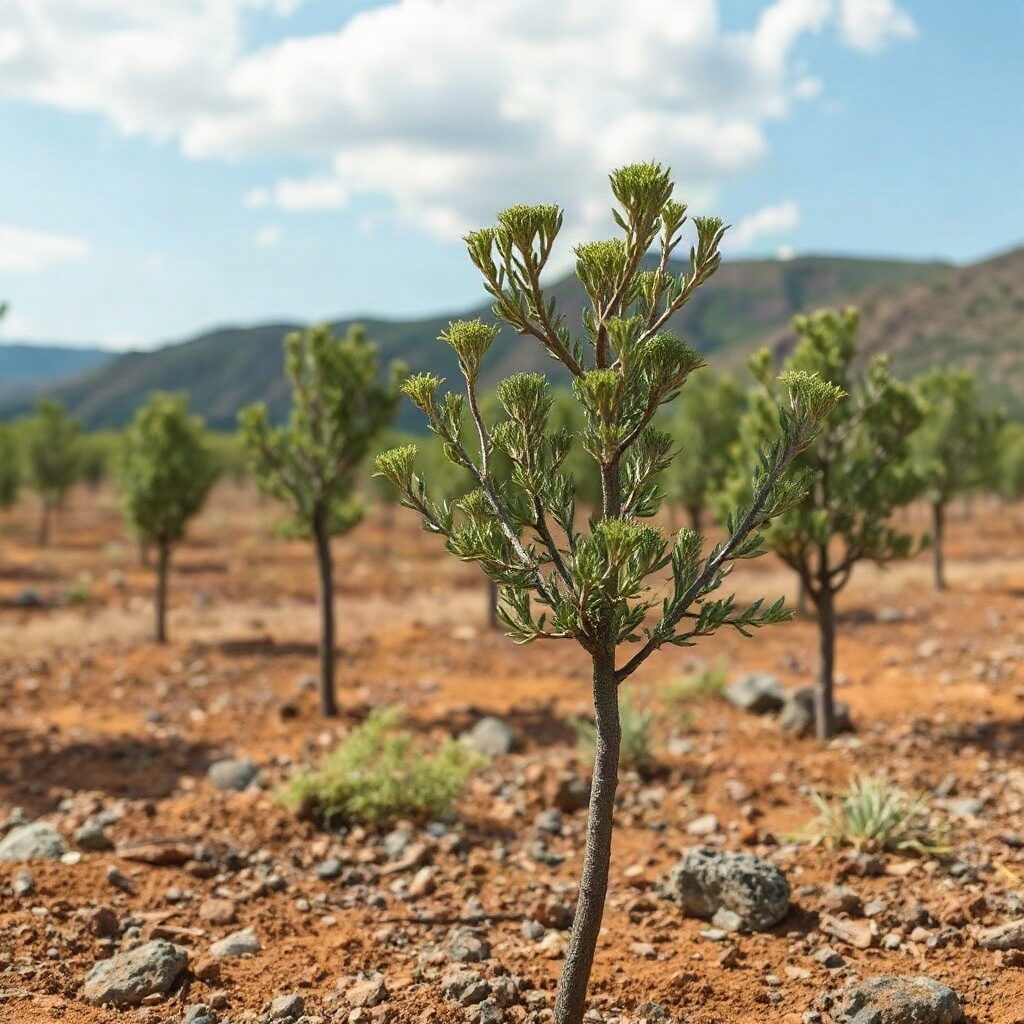
We work toward restoring native species from local nurseries, planted and tended by the communities who live alongside the wildlife.
03
The Outcome
Habitat that lasts.
Resilient grassland and woodland corridors for rhinos and their neighbours, with carbon gains we intend to verify, not assume.
How Restoration Happens
From Seed to Canopy.
Every restored hectare follows the same patient path. Communities are part of each step.
01
Seed Collection
Gathering seed from native acacia, croton and olive stands so what we plant belongs here.
02
Community Nurseries
Local nurseries raise seedlings, creating work close to home and a stake in the outcome.
03
Planting Season
Planting timed to the rains, on degraded ground chosen with the conservancies.
04
Canopy & Care
Years of protection from grazing and fire until the cover can hold its own.
Seed. Nursery. Canopy.
From the Founder
“
“Every tree we plant is a promise to the next generation of the Mara, human and wild.”
Doris Nabaala — Founder & Executive Director
Rhinos. People. Thriving Landscapes.
Grassland Woodland Water
Two Landscapes
Two Landscapes, One Promise.
Restoration in the Mara means grass and trees together: open savannah for grazers and the rhino, woodland for water, shade and shelter.
Savannah
Restoring the Grassland
Resting overgrazed ground, reseeding native grasses and managing fire so the plains recover their depth and hold rain where it falls.
Grazing plans agreed with pastoralist communities.
Native grass reseeding on degraded ground.
Erosion control along seasonal streams.
Woodland
Rebuilding the Forest Edge
Replanting indigenous trees along rivers and ridges to bring back shade, water retention and the corridors wildlife moves through.
Indigenous seedlings from community nurseries.
Riverine and ridge corridors planted first.
Protection from browsing until canopy closes.
Carbon Verification
Our objective is landscape-level carbon sequestration that is independently measured and verified, so partners can count on the numbers we report.
Whether you are an individual supporter, institutional donor, or corporate partner, your support can help strengthen rhino protection, empower local communities, and safeguard the Mara for generations to come.