In the grasslands of the Mara, a white rhino grazing within sight of a ranger is not a lucky moment. It is the result of long days on foot, patient monitoring and a community that has decided these animals are worth protecting. The Mara Rhino Project exists to make that protection stronger, fairer and built to last.
We are a locally led conservation initiative based in the Mara Triangle, the north-western section of Kenya’s Maasai Mara, in Narok County. Our work rests on a simple conviction, in the words of our founder, Doris Nabaala: conservation succeeds when people and nature thrive together.
Why the Mara’s rhinos need a new kind of partnership
Rhinos remain among Africa’s most threatened large mammals. The black rhino is listed as Critically Endangered by the IUCN, and poaching for horn is still the most direct threat to both black and white rhinos. Kenya is a stronghold for the eastern black rhino, so every protected landscape here matters far beyond its borders.
Protecting rhinos takes more than patrols. It depends on well-supported rangers, healthy habitat and communities who benefit directly from conservation. When any one of these weakens, rhinos become more vulnerable. That is why our approach links all four.
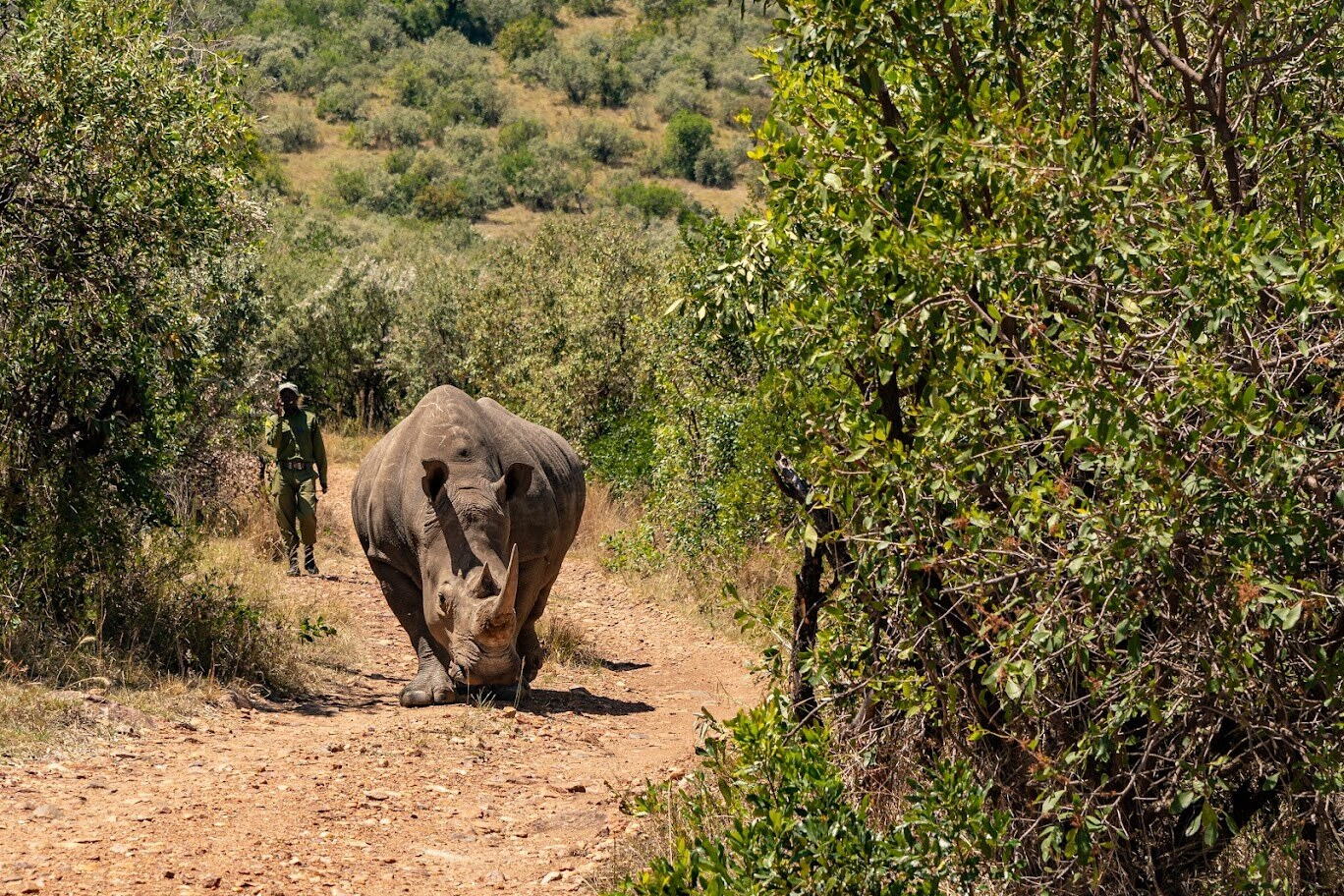
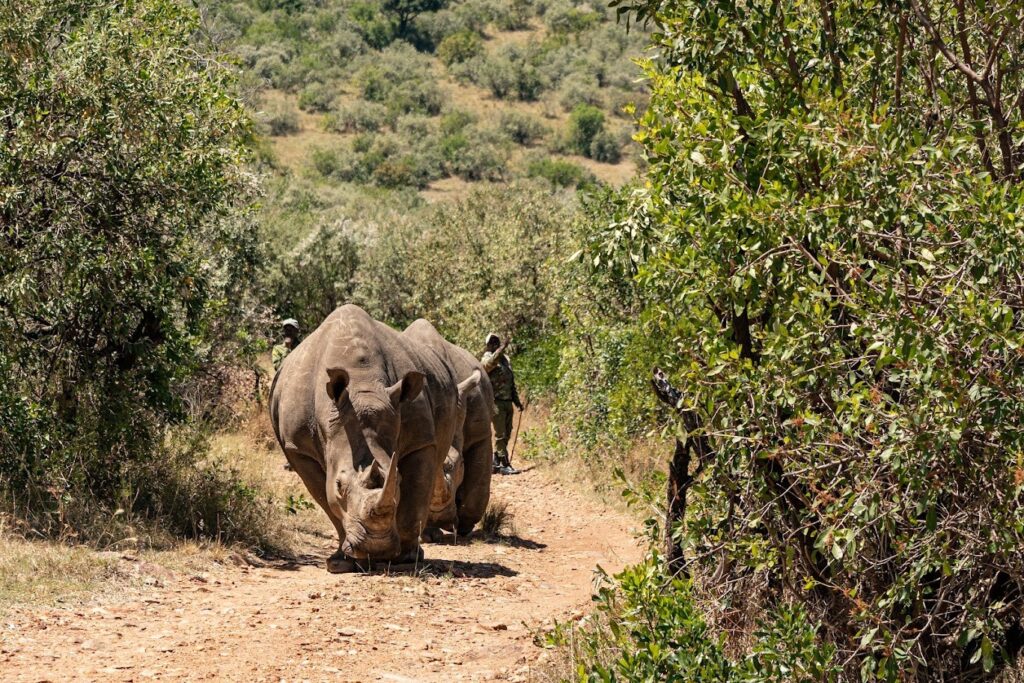
A white rhino walks a bush track, a ranger close behind.
Four pillars, one landscape
- Rhino Conservation. Field monitoring, ranger-led patrols and appropriate conservation technology to keep the Mara’s black and white rhinos secure.
- Community Benefits. Water points, education bursaries and livelihood support, so conservation delivers tangible gains for local families.
- Female Ranger Support. Safe accommodation, maternity care and career pathways for the women who guard the Mara.
- Climate Action. Indigenous reforestation and habitat restoration to strengthen the ecosystem’s long-term resilience.
Each pillar strengthens the others. A community that sees conservation improve daily life becomes the project’s first line of protection. A ranger team that is housed, equipped and respected stays in the field. Restored grassland and woodland hold water, wildlife and livelihoods through a warming century.
Women on the frontline
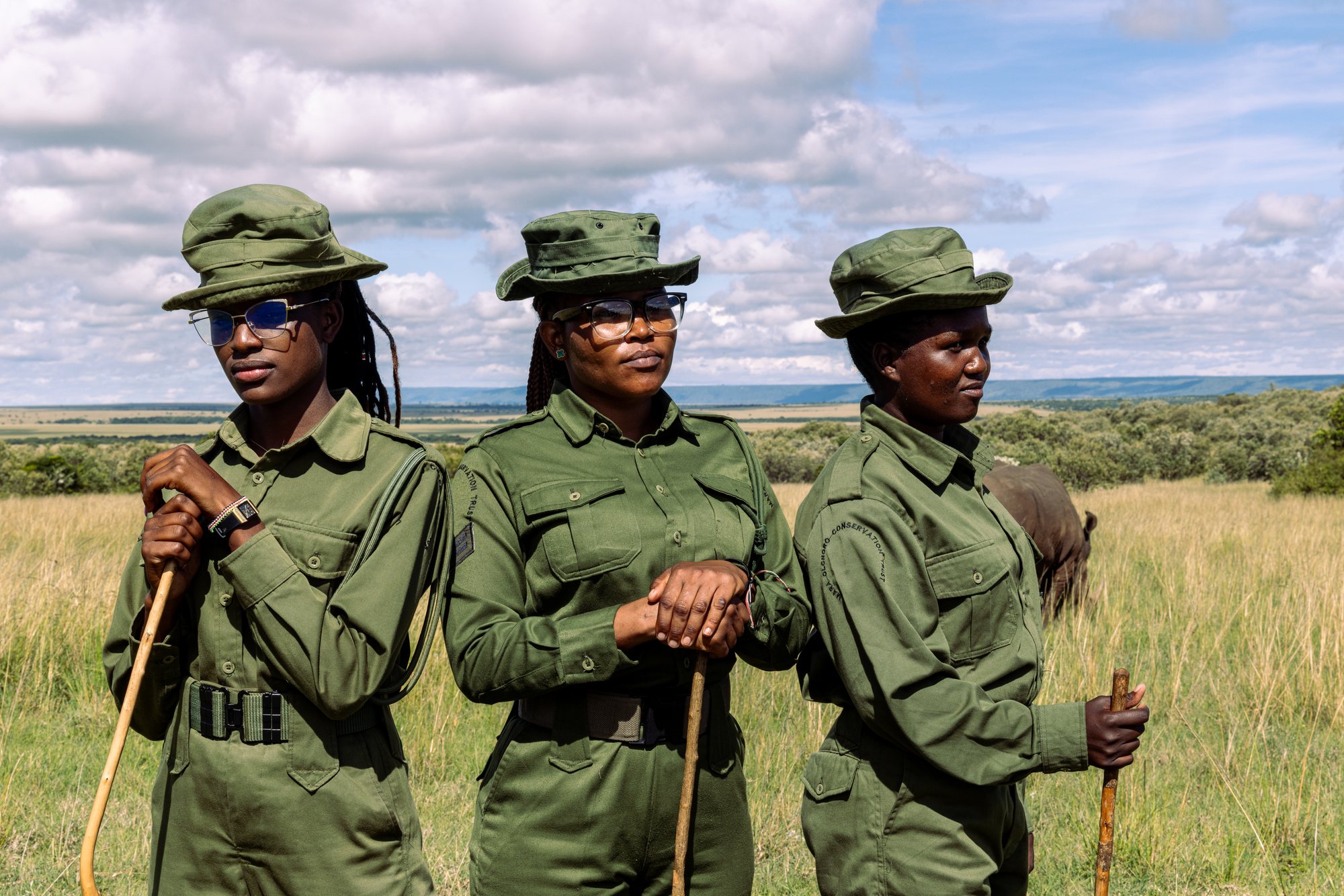
Women play a vital role in protecting wildlife and connecting conservation to their communities, yet ranger infrastructure has rarely been designed with them in mind. We are planning a dedicated intake of women rangers, supported by secure housing at field camps, maternity care with a safe route back to duty, and clear pathways into leadership. Our aim is to set a standard that others in the region can adopt.
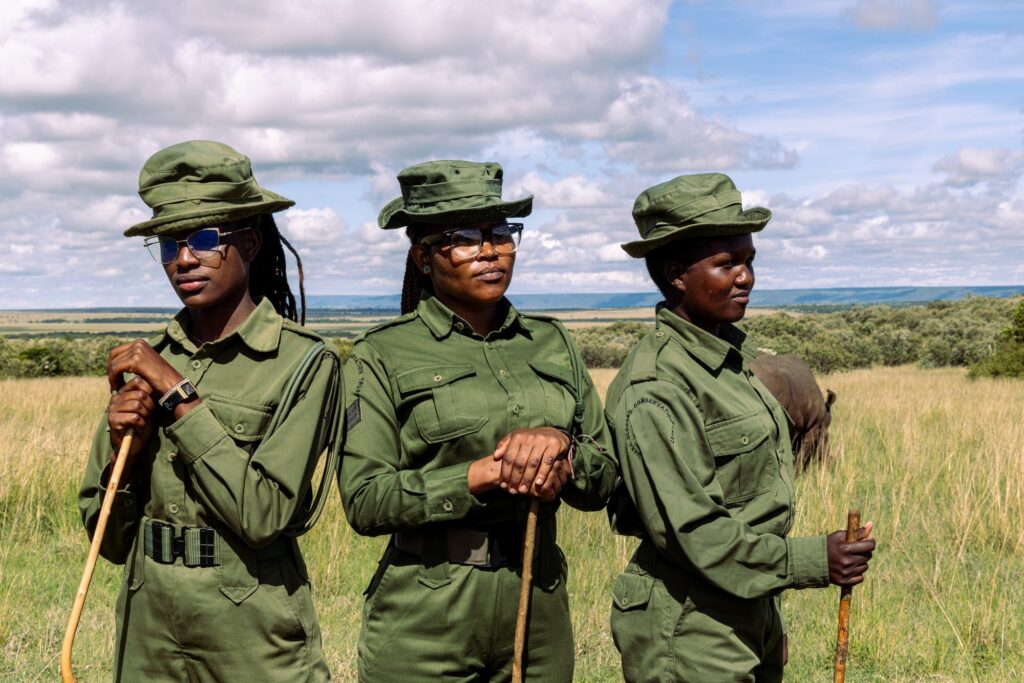
Women rangers are central to the project’s plans for the Mara.
What we will measure, and report
We ask partners to judge us by evidence. Our Strategic Plan 2026–2030 sets four headline targets, and we will report progress against each on our Impact page as figures are verified, never before.
Alongside these, our first planting season targets 15,000 indigenous trees with an 85% seedling survival rate. These are targets, not results. We will publish what we achieve, including anything that falls short.
Built for institutional partners
The Mara Rhino Project has been designed from the start around what foundations, CSR teams and institutional donors need:
- SDG alignment. Every programme maps to named UN Sustainable Development Goals: Life on Land (15), Climate Action (13), Gender Equality (5), Clean Water and Sanitation (6), Quality Education (4) and No Poverty (1).
- Transparent governance. Audit-ready financial records and clear reporting from day one.
- Scalable projects. Water points, community nurseries, ranger housing and bursaries are designed as repeatable units: fund one, then fund ten.
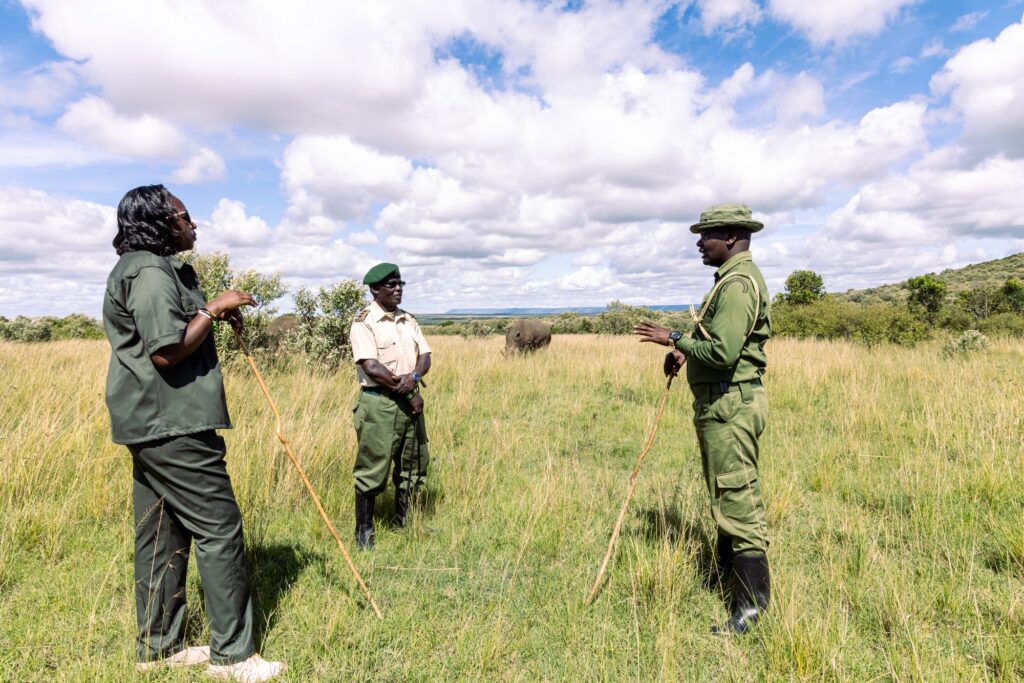
We work through foundation grants, corporate CSR partnerships, technical collaborations and NGO alliances. Each partnership comes with a written agreement, a named contact and a reporting schedule agreed before the first payment. Institutional partners and major donors are welcome to visit by arrangement: walk with the rangers, see a restoration site and sit with the community leaders who shape the work.
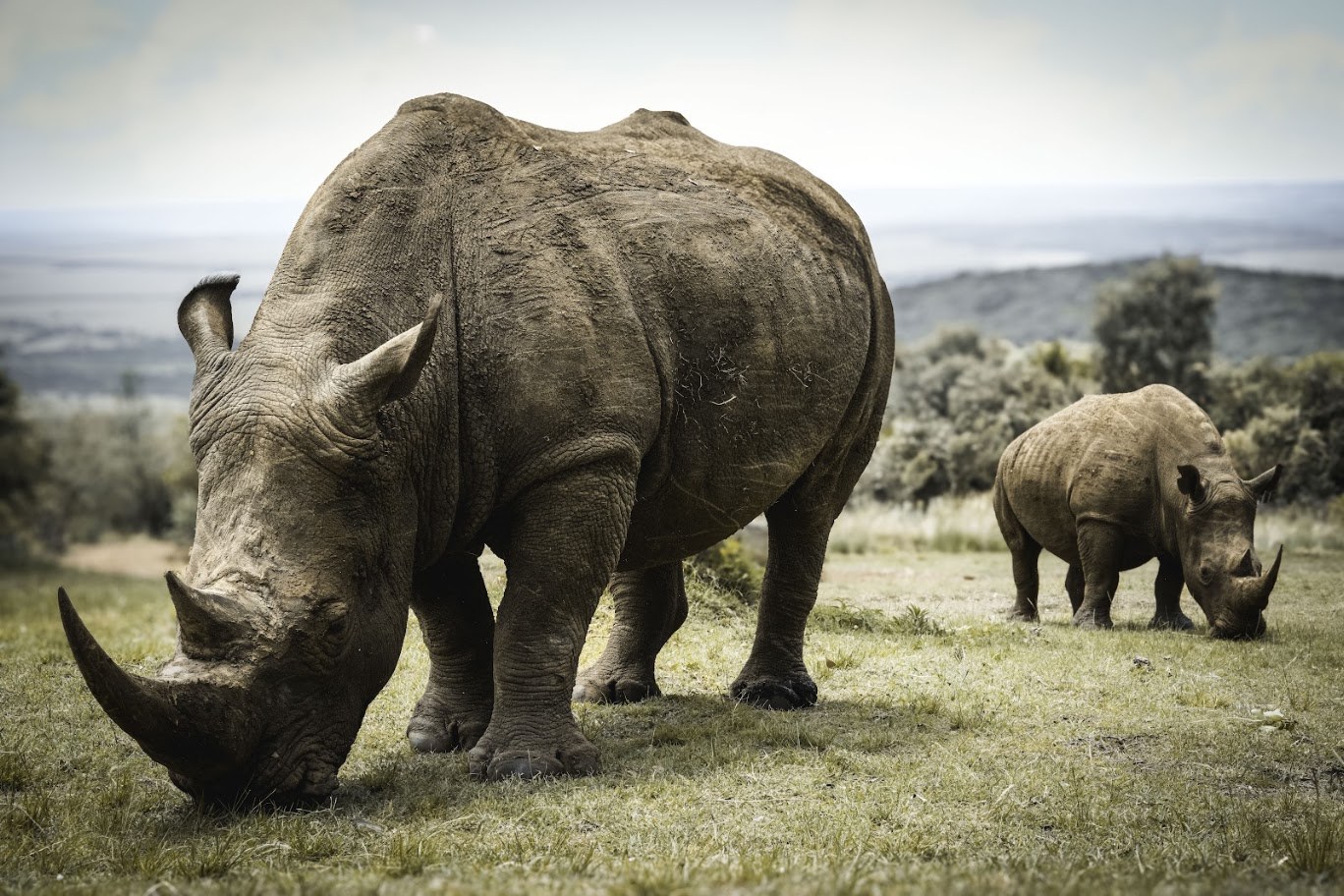
Two white rhinos grazing on a hillside above the plains.
Join us at the beginning
Every lasting conservation story has a first chapter. This is ours. The partners who join now will help decide how the Mara’s rhinos, rangers and communities fare for a generation.
Help write the next chapter.